HBM | August 12, 2026
Why Office Printing Costs Are So Easy to Miss
Most businesses know what they paid for their printers and copiers, but that number only tells part of the story. Toner, paper, service calls, downtime, energy use, and employee time all contribute to the true cost of office printing. When several devices are spread across different departments or locations, those expenses become even harder to track.
A print audit brings those costs into focus. Instead of guessing where the budget is going, your business can use real information about its devices, print volume, and workflows to find waste and make better decisions.
What Is a Print Audit?
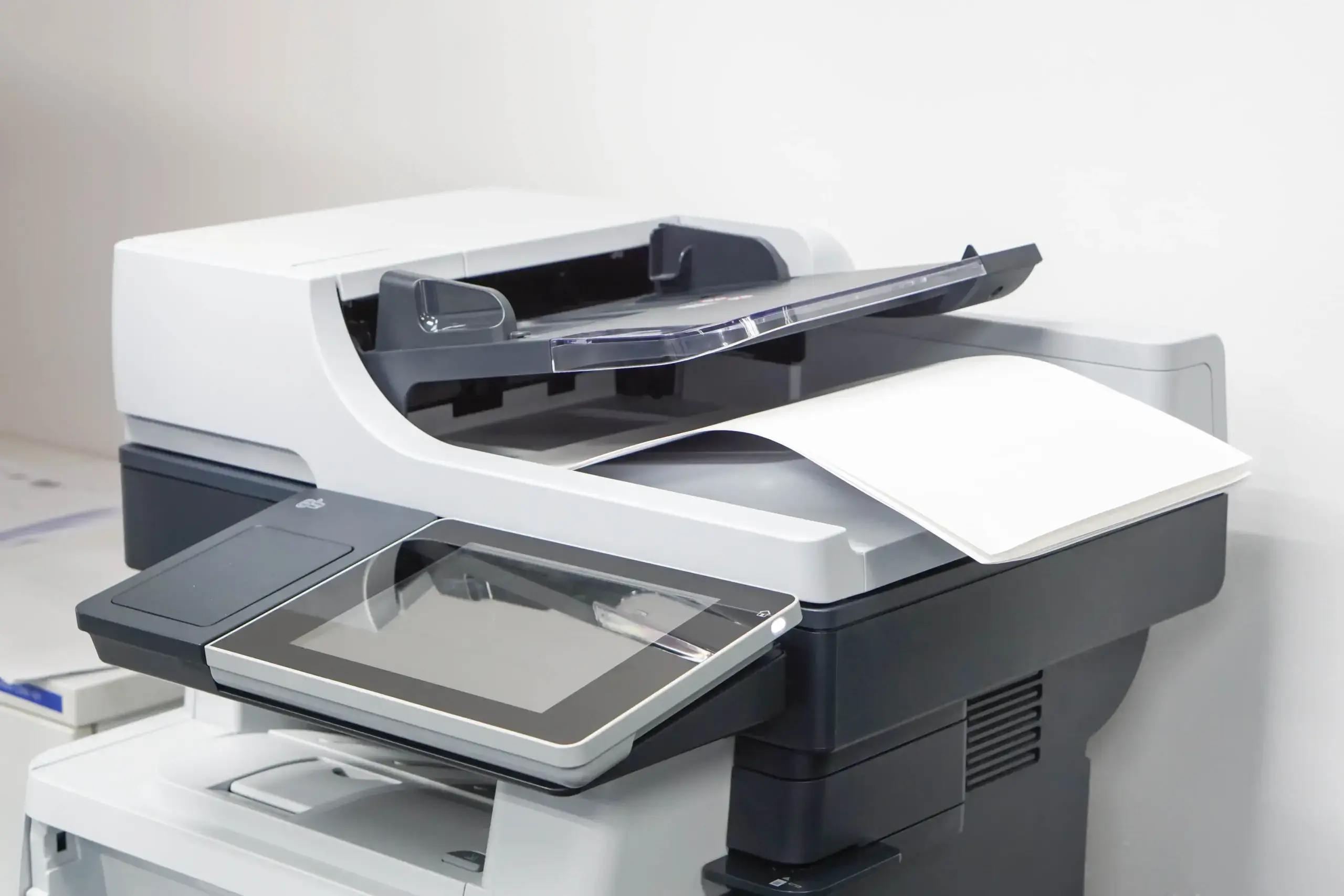
A print audit is a review of how an organization uses and manages its printers, copiers, and multifunction devices. It looks at what equipment is in place, how often each device is used, what it costs to operate, and whether the current setup supports the way employees actually work.
The goal is not simply to reduce the number of printers in the office. A useful print audit identifies where equipment, supplies, and processes are costing more than they should while also finding ways to improve reliability, security, and productivity.
What Does a Print Audit Examine?
Every office print environment is different, but a thorough assessment typically considers the following areas.
Your Complete Printer and Copier Inventory
The first step is identifying every printer, copier, scanner, and multifunction device your business uses. This includes shared equipment, desktop printers, older machines that are rarely used, and devices that may have been purchased by individual departments.
An accurate inventory can reveal duplicate equipment, machines that no longer fit the workload, and printers that are easy to overlook when supplies and service costs are calculated.
Print Volume and Device Usage
A print audit looks at how many pages each device produces and whether that volume matches its intended purpose. One high-capacity copier may be overloaded while another device nearby receives very little use. Employees may also be sending color jobs to a more expensive machine when a lower-cost option is available.
Understanding these patterns helps determine whether equipment is placed effectively and whether workloads should be redistributed.
Cost Per Page and Supply Spending
The purchase price of a printer does not show what it costs to keep that printer running. Ink, toner, drums, maintenance kits, and paper can make a low-cost device expensive over time, especially when supplies are purchased from several vendors or kept in excess inventory.
A print audit can help estimate the cost per page for each device and identify where supply spending is unnecessarily high. HBM’s cost control and accounting solutions can also provide greater visibility into who is printing, what is being printed, and where costs may be reduced.
Maintenance, Service, and Downtime
Frequent paper jams, slow performance, recurring error messages, and delayed service can quietly drain productivity. Even when repair expenses seem manageable, the time employees spend troubleshooting or waiting for a machine can create a higher operational cost.
Reviewing service history helps identify unreliable equipment and recurring problems. If a device needs hands-on attention, HBM also provides printer and copier repair for businesses throughout the region.
Document Workflows and Employee Habits
Printing costs are also affected by how documents move through the office. Employees may print forms only to scan them again, make unnecessary single-sided copies, or produce multiple versions because the correct file is difficult to find.
A print audit can uncover these habits and show where digital routing, duplex printing, shared scanning, or other workflow changes may save time and reduce waste.
Printer and Document Security
Shared printers can create security concerns when confidential documents are left in output trays or device access is not properly controlled. A print audit may identify where user authentication, print tracking, or secure release features would help protect sensitive information.
Businesses that handle payroll records, patient information, financial documents, or legal files may also benefit from learning how secure print works and where it belongs in a broader print security plan.
Signs Your Business May Need a Print Audit
Your office does not need to be experiencing a major printing problem to benefit from an assessment. In many cases, the strongest warning signs look like ordinary workplace frustrations.
Consider a print audit if:
- No one knows exactly how many printers or copiers the company owns.
- Different departments order toner and supplies separately.
- Toner is overstocked, misplaced, or purchased for devices no longer in use.
- Employees regularly wait for slow or unreliable equipment.
- Some printers are constantly busy while others are rarely used.
- Monthly printing costs change without a clear explanation.
- The business has grown, moved, or added another location.
- Confidential documents are regularly printed on shared devices.
- Your team spends too much time placing supply orders or requesting service.
What Can a Print Audit Reveal?
A print audit replaces assumptions with a clear view of the current print environment. The results may show that a business has too many small printers, the wrong equipment for its workload, inconsistent supply purchasing, or devices that cost more to maintain than they provide in value.
It can also confirm what is already working. If certain printers are reliable, appropriately placed, and cost-effective, they may remain an important part of the plan. The purpose is to build a print environment around the business’s actual needs, not to recommend changes for the sake of changing equipment.
What Happens After a Print Audit?
Once usage and costs have been reviewed, the findings can be turned into practical recommendations. Depending on the office, that may include moving a device to a busier department, retiring outdated equipment, standardizing printer models, setting print policies, consolidating supply orders, or improving document security.
If equipment needs to be updated, HBM offers a range of commercial printers and copiers that can be matched to the office’s size, volume, and workflow. The right recommendation may involve one multifunction device, several strategically placed printers, or a combination of equipment and print management tools.
How Print Audits Support Managed Print Services
A print audit provides a snapshot of the current environment. Managed Print Services use that information to help businesses manage equipment, supplies, service, usage, and costs on an ongoing basis.
This can reduce the administrative work placed on employees while giving decision-makers better visibility into the print fleet. As the business grows or its needs change, the print strategy can change with it instead of becoming another collection of devices that no one is actively managing.
Print Audit FAQs
Is a Print Audit Only for Large Companies?
No. Small and midsize businesses may have fewer devices, but a handful of inefficient printers can still create unnecessary supply costs and downtime. A print audit can be scaled to the size and complexity of the organization.
Will a Print Audit Require Replacing Every Printer?
Not necessarily. The purpose of a print audit is to understand what the business needs and how well the current equipment supports those needs. Some devices may remain in place, while others may be moved, consolidated, upgraded, or removed.
How Often Should a Business Review Its Print Environment?
A review is especially useful after growth, relocation, staffing changes, or the addition of a new office. Businesses with larger fleets may also benefit from ongoing monitoring so changes in volume, costs, and equipment performance can be addressed early.
Can a Print Audit Help Improve Security?
Yes. A print audit can identify shared devices, uncontrolled access, abandoned documents, and other gaps that may expose sensitive information. It can also help determine where secure printing or stronger device controls are needed.
Get a Clearer View of Your Office Printing Costs
Hidden printing costs are difficult to control when your business does not have a complete picture of its devices, usage, supplies, and service needs. A print audit can provide the information needed to reduce waste, improve productivity, and build a more dependable print environment.
Harris Business Machines helps organizations across Northwest Florida, South Alabama, and Southern Mississippi evaluate and manage their office technology. Request a free printing system analysis to find out where your business may be overspending and what a more efficient setup could look like.
Related Articles